

Discover the top coffee varieties in Kenya including SL28, SL34, K7, Ruiru 11, and Batian. Learn about their flavor profiles, disease resistance, and why they define Kenyan coffee excellence.
Kenya is globally recognized as one of the leading producers of premium coffee, celebrated for its bold flavors, bright acidity, and complex taste profiles.
The secret behind this global reputation lies not only in the country’s rich volcanic soils and high altitudes, but also in the unique coffee varieties cultivated by farmers.
Understanding the top coffee varieties in Kenya is key to appreciating why Kenyan coffee stands out in international markets.
These varieties have been carefully selected and developed over decades to balance quality, yield, and resistance to diseases.
In this article, we explore the five most important coffee varieties in Kenya: SL28, SL34, K7, Ruiru 11, and Batian, each playing a vital role in shaping the country’s coffee industry.
1. SL28: The King of Kenyan Top Coffee Varieties
Among the top coffee varieties in Kenya, SL28 is widely regarded as the benchmark for quality. Developed in the 1930s, this variety remains a favorite in the specialty coffee industry due to its outstanding flavor profile.
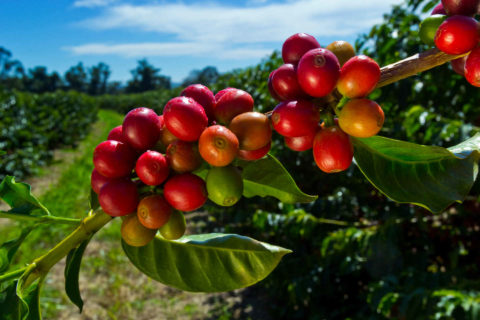
SL28 produces coffee with vibrant acidity and distinctive notes of blackcurrant, citrus, and tropical fruit. Its complex, wine-like characteristics make it highly desirable among coffee connoisseurs worldwide.
However, SL28 comes with challenges. It is highly susceptible to major coffee diseases such as Coffee Leaf Rust and Coffee Berry Disease. Additionally, the trees are tall and require careful management.
Despite these drawbacks, SL28 continues to dominate Kenya’s premium coffee segment, making it one of the most sought-after coffee varieties in the world.
2. SL34: A Rich and Balanced Alternative
SL34 is another top-performing variety that ranks among the top coffee varieties in Kenya. Closely related to SL28, it offers a slightly different flavor experience.
This variety is known for its full body, deep sweetness, and well-balanced acidity. While it may not be as sharp or bright as SL28, it delivers a richer and smoother cup, making it popular among a wide range of coffee drinkers.
SL34 thrives in high-altitude areas with sufficient rainfall and produces large beans. However, like SL28, it is vulnerable to diseases and requires proper care and farm management.
For farmers and roasters alike, SL34 represents a reliable option for producing high-quality Kenyan coffee with a strong market appeal.
3. K7: A Resilient Coffee Variety for Stability
K7 is often overlooked but remains one of the most important coffee varieties in Kenya, especially for farmers prioritizing resilience and consistent yields.
Unlike SL28 and SL34, K7 offers strong resistance to Coffee Leaf Rust and Coffee Berry Disease. This makes it a practical choice for regions prone to these challenges.
In terms of flavor, K7 produces a good-quality cup, particularly when grown at higher altitudes. While it may not reach the exceptional complexity of SL varieties, it still contributes positively to Kenya’s coffee output.
K7 trees are hardy, adaptable, and capable of producing high yields, making them a dependable option for sustainable coffee farming.
4. Ruiru 11: A High-Yield Hybrid Variety
Ruiru 11 is a hybrid variety developed to address the challenges of disease and low productivity. Since its release in 1985, it has become one of the most widely planted coffee varieties in Kenya.
This variety combines the genetic strengths of SL28, SL34, and disease-resistant lines, resulting in a plant that is both productive and resilient.
Ruiru 11 trees are compact, allowing farmers to plant them at higher densities and maximize yield per acre. They also mature faster, enabling earlier harvesting compared to traditional varieties.
While Ruiru 11 has sometimes been considered less complex in flavor, advancements in processing have significantly improved its cup quality. Today, it can produce coffee with pleasant fruit notes and balanced acidity.
Its combination of high yield and disease resistance makes Ruiru 11 a cornerstone of modern coffee farming in Kenya.
5. Batian: The Future of Coffee Varieties in Kenya
Batian is one of the newest and most promising additions to the top coffee varieties in Kenya. Released in 2010, it was developed to combine high quality with improved resistance and productivity.
One of Batian’s standout features is its early maturity. Farmers can begin harvesting within two years, making it an attractive option for increasing returns on investment.
Batian is resistant to major diseases and produces high yields, making it well-suited for both smallholder and commercial farming.
In terms of flavor, Batian competes closely with SL28 and SL34, offering bright acidity and fruity notes that appeal to specialty coffee markets.
As the coffee industry evolves, Batian is increasingly seen as the future of Kenyan coffee, providing a balance between quality and sustainability.
Read Also: Top 16 Best Schools in Ruiru